
Sumatran Orangutan vs. Bornean Orangutan: A Comparative Guide
Orangutans, the largest arboreal mammals on Earth, are divided into two distinct species: the Sumatran orangutan and the Bornean orangutan. Both species are critically endangered and are found only on the islands of Sumatra and Borneo, respectively. This article delves into the key differences between these two magnificent creatures, focusing on their physical characteristics, habitats, behaviors, and conservation statuses. We will also highlight Bukit Lawang, a prime location for Sumatran orangutan tourism, providing a glimpse into the unique experiences visitors can have in this stunning natural setting.
Physical Characteristics
Sumatran Orangutan
- Size and Weight: Sumatran orangutans are generally smaller and lighter than their Bornean counterparts. Adult males typically weigh between 70 to 90 kg, while females weigh around 40 to 50 kg.
- Fur Color: Their fur is longer, denser, and more reddish-brown compared to the Bornean orangutan.
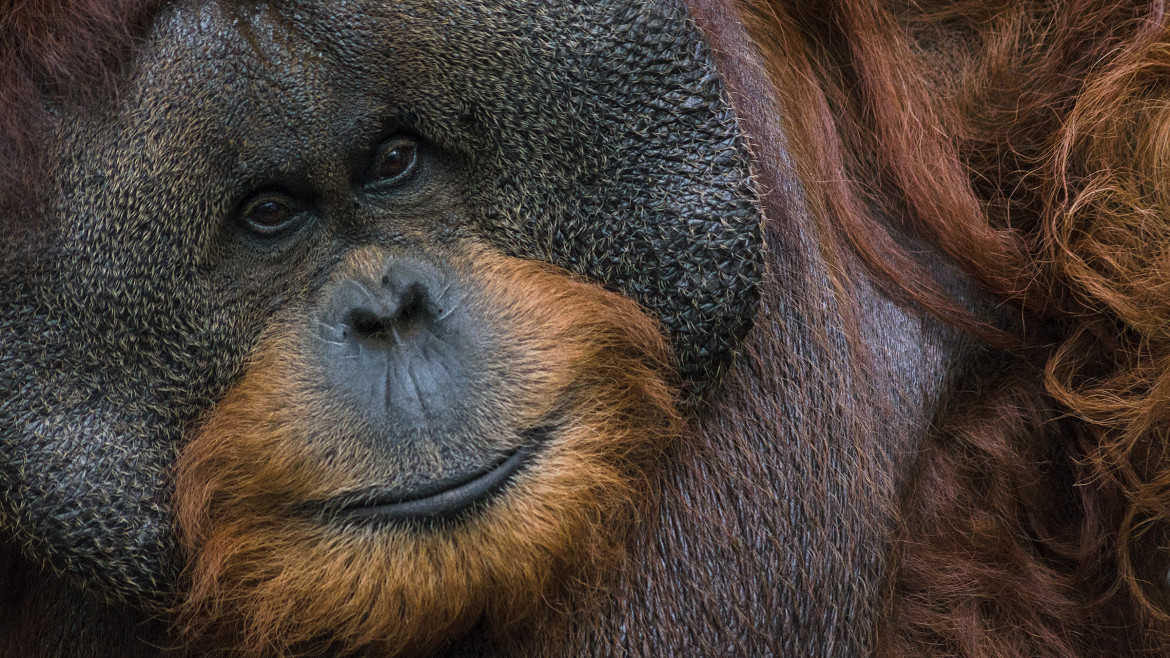
- Facial Features: Sumatran males have a more pronounced cheek pad, which is less pronounced in females. The cheek pads are usually darker and more rounded.
Bornean Orangutan
- Size and Weight: Bornean orangutans are larger and heavier, with adult males weighing between 80 to 100 kg, and females weighing around 40 to 50 kg.
- Fur Color: Their fur is shorter, sparser, and more orange-brown in color.
- Facial Features: Bornean males have larger, flatter cheek pads compared to Sumatran males. The pads are lighter in color and more angular.
Habitat
Sumatran Orangutan
- Location: Found exclusively in the northern part of Sumatra, Indonesia, including the provinces of Aceh, North Sumatra, and Riau.
- Preferred Ecosystem: Prefers lowland and hilly tropical rainforests, but can also be found in swamp forests and mangrove areas.
Bornean Orangutan
- Location: Distributed across the island of Borneo, which is shared by Indonesia, Malaysia, and Brunei.
- Preferred Ecosystem: Prefers lowland and hilly tropical rainforests, but can also be found in peat swamp forests and coastal mangroves.
Behavior
Sumatran Orangutan
- Social Structure: Generally more solitary than Bornean orangutans, with males and females maintaining separate territories.
- Feeding Habits: Primarily frugivorous, but also consume leaves, bark, insects, and small animals.
- Communication: Uses a variety of vocalizations, including long calls, to communicate with other orangutans.
Bornean Orangutan
- Social Structure: More social, with females sometimes forming loose associations with other females and their offspring.
- Feeding Habits: Also frugivorous, but with a more diverse diet that includes leaves, bark, insects, and small animals.
- Communication: Utilizes a wide range of vocalizations, including long calls, to communicate with other orangutans.
Conservation Status
Sumatran Orangutan
- Threats: Habitat loss due to deforestation for palm oil plantations, logging, and mining; hunting for bushmeat and traditional medicine.
- Conservation Efforts: Protected areas such as Gunung Leuser National Park and Bukit Lawang Orangutan Rehabilitation Center are crucial for their survival.
Bornean Orangutan
- Threats: Similar to Sumatran orangutans, with habitat loss being the primary threat. Additionally, they face threats from illegal pet trade and hunting.
- Conservation Efforts: Protected areas like Sabah’s Danum Valley Conservation Area and Kalimantan’s Tanjung Puting National Park play vital roles in their conservation.
Bukit Lawang: A Prime Location for Sumatran Orangutan Tourism
Overview
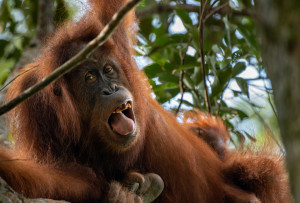
Bukit Lawang, located in North Sumatra, Indonesia, is a renowned destination for wildlife enthusiasts and nature lovers. It is situated within the Gunung Leuser National Park, one of the largest and most biodiverse protected areas in Southeast Asia. Bukit Lawang is particularly famous for its Sumatran orangutan population, offering visitors a unique opportunity to observe these magnificent creatures in their natural habitat.
Tourist Activities
- Orangutan Watching: Guided tours allow visitors to observe orangutans in the wild, providing a once-in-a-lifetime experience.
- Nature Walks: Explore the lush rainforests and diverse wildlife, including other primates, birds, and insects.
- Cultural Experiences: Learn about the local Batak culture through traditional performances and village visits.
Tips for Visitors
- Respect Wildlife: Always maintain a safe distance from orangutans and other wildlife to avoid disturbing them.
- Stay on Trails: Follow designated trails to minimize impact on the environment.
- Support Local Communities: Purchase souvenirs and services from local businesses to support the local economy.
Both Sumatran and Bornean orangutans are remarkable species with unique characteristics and behaviors. While they share similarities, their differences highlight the importance of preserving their distinct habitats and ecosystems. Bukit Lawang stands out as a prime location for Sumatran orangutan tourism, offering visitors a chance to witness these incredible creatures in their natural environment. By supporting conservation efforts and responsible tourism practices, we can help ensure the survival of these magnificent primates for future generations.