
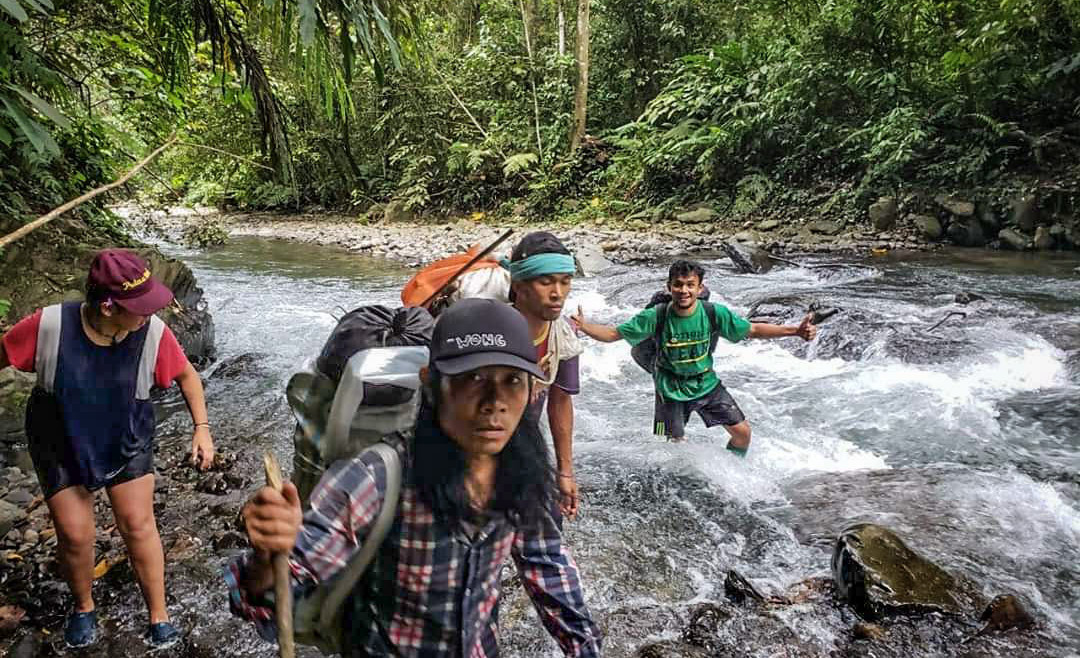
Ethical Jungle Trekking in Sumatra: Explore Bukit Lawang Responsibly
Introduction
Jungle trekking in Sumatra, especially around Bukit Lawang, offers an unparalleled opportunity to witness the raw beauty of the tropical rainforest and encounter the critically endangered Sumatran orangutan. However, with the increasing popularity of this destination, responsible travel practices are more important than ever. Ethical jungle trekking in Sumatra ensures that the rainforest remains a sanctuary for wildlife and a source of pride for local communities.
In this article, we’ll guide you through how to enjoy Bukit Lawang responsibly, focusing on sustainability, conservation, and truly ethical jungle adventures.
Why Ethical Jungle Trekking Matters
The Sumatran rainforest is one of the last strongholds for endangered species like orangutans, tigers, and hornbills. Unfortunately, irresponsible trekking—such as feeding wildlife, disturbing habitats, and using non-certified guides—threatens this fragile ecosystem.
Choosing ethical jungle trekking in Sumatra helps:
-
Preserve endangered species
-
Support local communities
-
Maintain the natural beauty of the rainforest
-
Promote sustainable tourism practices
By making mindful choices, travelers can become part of the solution, not the problem.
Understanding Bukit Lawang: A Gateway to Sumatra’s Wild Heart
Bukit Lawang is a small village located on the edge of Gunung Leuser National Park, a UNESCO World Heritage site. This area is globally recognized for its conservation efforts and as one of the best places on Earth to observe wild orangutans.
Originally established as a rehabilitation center for orangutans in the 1970s, Bukit Lawang has evolved into a hub for eco-tourism, thanks to its breathtaking trails, lush jungle, and commitment to ethical travel.
How to Choose an Ethical Trekking Guide
Selecting the right guide is the foundation of ethical jungle trekking in Sumatra. Here’s what you should look for:
1. Certification and Training
Only trek with guides certified by the Bukit Lawang Guide Association (BLGA) or affiliated with reputable eco-tourism organizations. Certified guides are trained to prioritize both visitor safety and wildlife protection.
2. Commitment to Wildlife Welfare
Ethical guides follow strict no-contact policies with wildlife. They do not feed, lure, or touch animals to create photo opportunities.
3. Small Group Sizes
Smaller groups minimize environmental impact and reduce stress on animals. Ideally, groups should have no more than 6 people.
4. Transparent Business Practices
Responsible tour operators contribute a portion of their income to local conservation efforts and community development projects.
Best Practices for Ethical Jungle Trekking in Bukit Lawang
Once you’ve chosen an ethical guide, it’s important to do your part during the trek:
1. Maintain a Safe Distance
Always keep a respectful distance from wildlife, especially orangutans. Getting too close can transmit diseases and alter their natural behavior.
2. Do Not Feed Animals
Feeding wildlife can make them dependent on humans, leading to health problems and increased aggression.
3. Stick to Established Trails
Walking off-trail damages plant life and increases soil erosion, disturbing fragile ecosystems.
4. Carry Out All Trash
Take everything you bring into the jungle back out with you. Avoid single-use plastics and opt for reusable containers whenever possible.
5. Use Eco-Friendly Products
Sunscreens, insect repellents, and soaps can contaminate water sources. Choose biodegradable products to minimize your impact.
Packing List for Ethical Trekkers
What you bring matters. Here’s an eco-conscious packing list:
-
Reusable water bottle and purification tablets
-
Lightweight, moisture-wicking clothing
-
Eco-friendly insect repellent
-
Biodegradable soap and shampoo
-
Rain jacket or poncho
-
Sturdy hiking shoes
-
Dry bag for electronics
-
Headlamp (preferably solar-powered)
-
Reusable snack containers
Packing responsibly helps reduce your environmental footprint during your trek.
The Impact of Ethical Trekking on Local Communities
Tourism, when done right, can uplift local communities economically and socially. In Bukit Lawang:
-
Ethical trekking tours create jobs for guides, porters, and lodge owners.
-
Community-run guesthouses and restaurants thrive with responsible tourism.
-
Conservation education spreads within the village, ensuring future generations value and protect their natural heritage.
By supporting ethical jungle trekking in Sumatra, you directly contribute to a cycle of positive change.
Timing Your Trek: Best Seasons for Ethical Travel
While Bukit Lawang is open year-round, the best time for ethical jungle trekking is during the dry season, from May to September. Trails are more accessible, and wildlife sightings are more frequent.
However, trekking during the rainy season (October to April) offers lush scenery and fewer tourists, which can actually lessen environmental pressure if done responsibly.
Challenges and Future Outlook
Despite the progress in sustainable tourism, challenges remain:
-
Illegal wildlife trade still poses a threat.
-
Unscrupulous tour operators occasionally cut corners to maximize profits.
-
Deforestation from palm oil plantations pressures the ecosystem.
The future of Bukit Lawang depends heavily on travelers demanding and supporting ethical jungle trekking practices.
Conservation organizations, local governments, and tourists must work together to keep Bukit Lawang a model of responsible tourism.
Final Thoughts: Your Role in Protecting Sumatra’s Rainforest
Ethical jungle trekking in Sumatra isn’t just about what you see—it’s about what you leave behind. A forest teeming with life, a community thriving on sustainable income, and orangutans swinging freely through the canopy are the true rewards of responsible travel.
When you explore Bukit Lawang responsibly, you aren’t just a visitor—you become a protector of one of the most important rainforests on Earth.
Make your trek matter. Choose ethical guides, respect the wildlife, tread lightly, and inspire others to do the same.