
Introduction
Nestled in the heart of Indonesia, Gunung Leuser National Park is a treasure trove of biodiversity, home to a myriad of unique flora and fauna. Among its most fascinating inhabitants is the Raflesia Arnoldii, often referred to as the “corpse flower” due to its distinct odor reminiscent of rotting flesh. This article delves into the captivating world of Raflesia Arnoldii, its significance, and its habitat within the stunning landscapes of Bukit Lawang.
What is Raflesia Arnoldii?
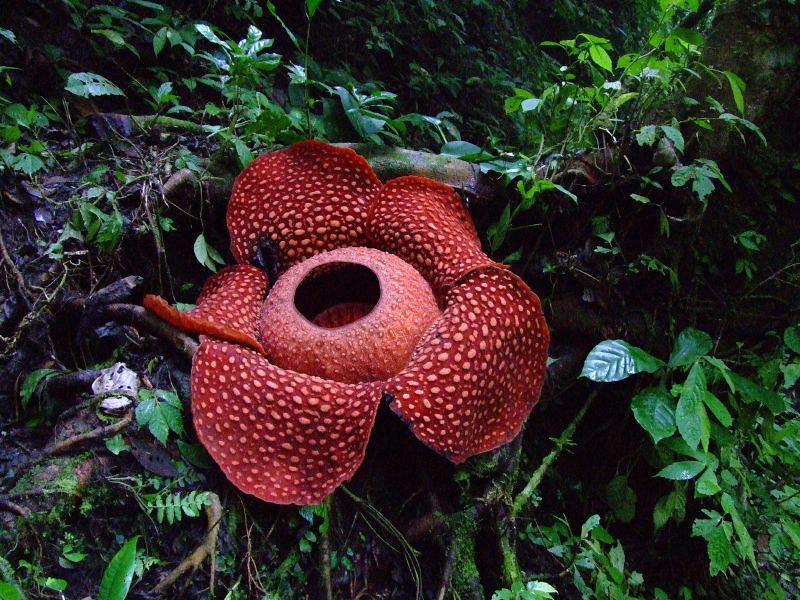
Raflesia Arnoldii is renowned for being the largest individual flower on Earth, with blooms that can reach up to three feet in diameter. This parasitic plant is part of the Rafflesiaceae family and is native to the rainforests of Southeast Asia, particularly in Indonesia. The flower is characterized by its striking reddish-brown petals, which are adorned with white spots, making it a visual marvel for nature enthusiasts and photographers alike.
Habitat and Distribution
The Gunung Leuser National Park, a UNESCO World Heritage Site, provides an ideal habitat for Raflesia Arnoldii. This national park, located in North Sumatra, Indonesia, is part of the larger Leuser Ecosystem, which is one of the last remaining rainforests in Southeast Asia. The park’s rich biodiversity and unique microclimates create the perfect conditions for the growth of this rare flower.
Bukit Lawang, a small village located on the edge of Gunung Leuser National Park, serves as a gateway for visitors eager to explore the park’s natural wonders. Trekking through the lush jungles of Bukit Lawang offers a chance to encounter Raflesia Arnoldii in its natural habitat, although spotting this elusive flower can be a challenge due to its sporadic blooming cycle.
The Life Cycle of Raflesia Arnoldii
The life cycle of Raflesia Arnoldii is as intriguing as the flower itself. Unlike most plants, Raflesia does not have leaves, stems, or roots. Instead, it relies on a host vine, typically from the Tetrastigma genus, for nutrients. The flower begins its life as a small bud, which can take several months to develop into a full bloom. Once it opens, the flower lasts for only about five to seven days, during which it emits a strong odor to attract pollinators, primarily carrion flies.
Conservation Status
Despite its remarkable beauty, Raflesia Arnoldii faces numerous threats, primarily due to habitat destruction and deforestation. The expansion of agriculture and illegal logging in the Gunung Leuser National Park region poses significant risks to this unique species. Conservation efforts are crucial to protect Raflesia Arnoldii and its habitat, ensuring that future generations can appreciate this natural wonder.
Visiting Bukit Lawang and Gunung Leuser National Park
For those interested in witnessing the splendor of Raflesia Arnoldii, a visit to Bukit Lawang is a must. The village offers various eco-tourism activities, including guided treks through the national park, where visitors can learn about the local ecosystem and the importance of conservation. Local guides are knowledgeable about the best spots to find Raflesia Arnoldii, enhancing the experience for nature lovers.
Tips for Visitors
- Best Time to Visit: The blooming season of Raflesia Arnoldii can vary, but it is generally observed between March and June. Check with local guides for the latest information on blooming flowers.
- Respect Nature: When visiting, it is essential to follow eco-friendly practices. Avoid picking flowers and stay on designated trails to minimize your impact on the environment.
- Engage with Local Communities: Support local conservation efforts by engaging with the community and participating in eco-tourism activities.
Conclusion
The Raflesia Arnoldii is not just a flower; it is a symbol of the rich biodiversity found in Gunung Leuser National Park and a reminder of the importance of conservation. As you explore the enchanting landscapes of Bukit Lawang, take a moment to appreciate the beauty and fragility of this remarkable plant. By protecting its habitat, we ensure that future generations can continue to marvel at the wonders of nature.